$54.99
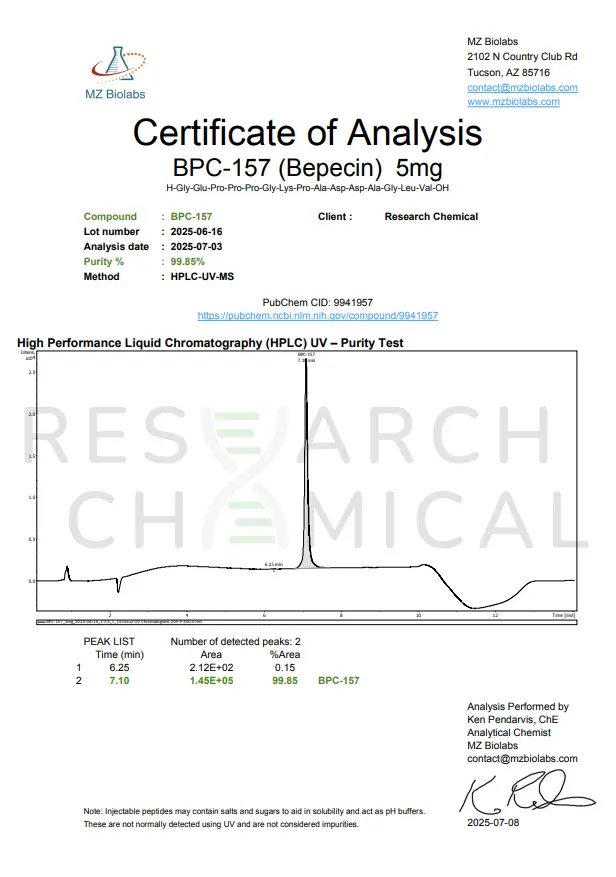
This item has been third-party tested by accredited U.S. laboratories and confirmed to meet a minimum purity of 98% through rigorous verification standards.
Updated COA's
Secure Shipping Guaranteed
Verified for Purity
$54.99
Research Chemical products are third-party tested by MZ Biolabs, an independent laboratory based in Arizona. Each batch is analyzed to ensure accuracy, purity, and that all specifications are met.
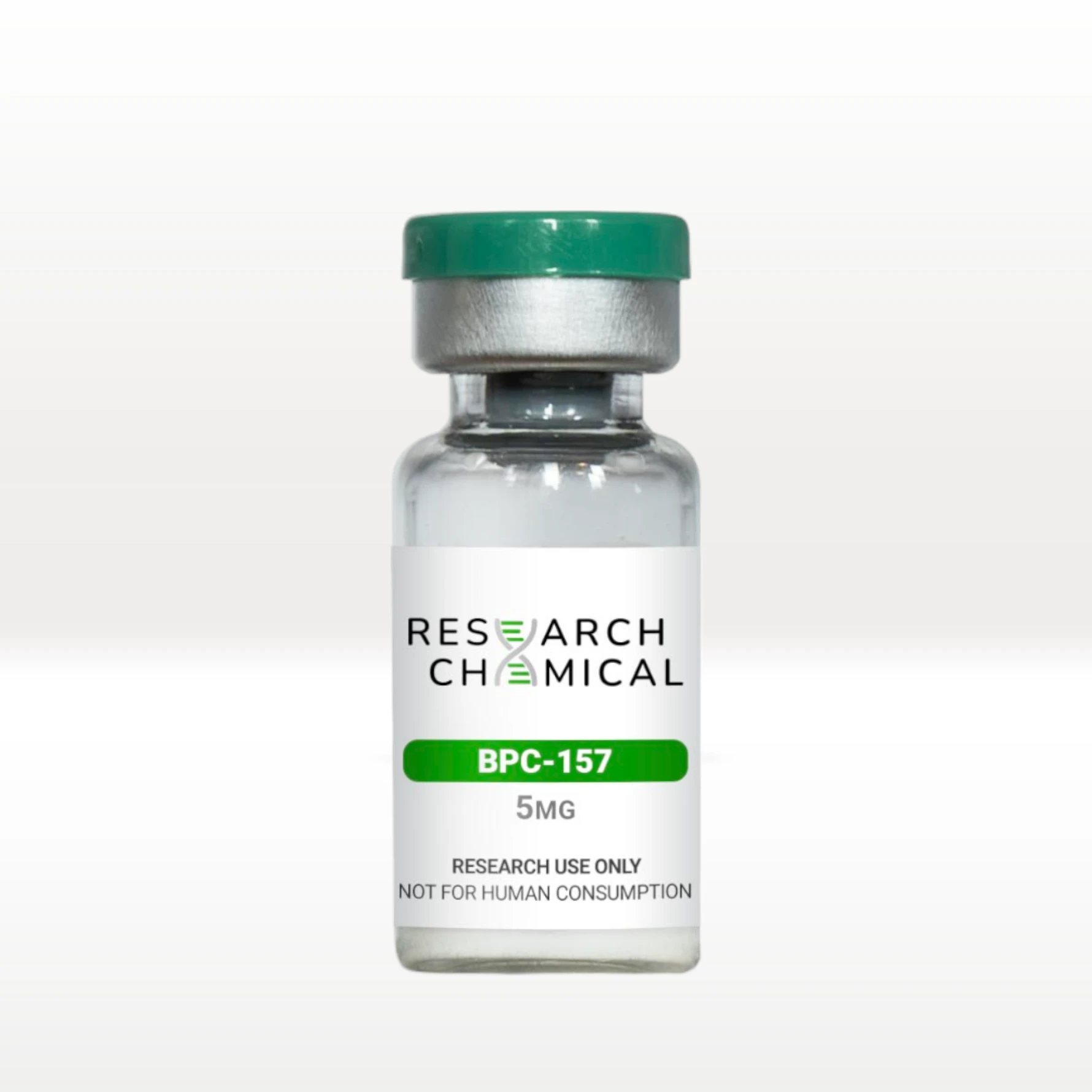
ResearchChemical.com supplies BPC-157 (Body Protection Compound-157), a synthetic peptide also described in the literature as a stable gastric pentadecapeptide. This substance is considered experimental and is not regulated for human or veterinary use. This compound is provided for laboratory research purposes only. It is not FDA-approved, not a dietary supplement, and not for human or veterinary use.
Compounding pharmacies are not authorized to use BPC-157 in compounded medications due to legal restrictions.
Each batch is supported by independent third-party testing (Certificate of Analysis) to verify identity, purity, and concentration. Due to widespread market issues with counterfeit or contaminated products, we emphasize product authenticity, clear labeling, and batch-linked documentation to support reproducible research.
BPC-157 is a research peptide derived from a protein found in the gastrointestinal tract. It is frequently investigated for musculoskeletal soft tissue healing pathways (e.g., tendon healing, ligament healing) and for effects on the GI mucosa in models of inflammatory bowel disease. In the scientific literature it is often referred to as a gastric pentadecapeptide with proposed roles in cell survival, cell migration, collagen synthesis, vascular response, and cell tissue res during tissue repair and regeneration. These observations are drawn primarily from in vitro experiments and animal research, including studies in rat models of musculoskeletal and gastrointestinal injury; clinical data in humans remain limited.
BPC-157 (Body Protection Compound-157) is a stable gastric pentadecapeptide that has been widely investigated in in vitro systems and preclinical animal models—particularly in rats—for its effects on musculoskeletal soft tissue healing, angiogenesis, and gastrointestinal protection. Across these experimental settings, several key mechanisms have been described:
BPC-157 influences growth factors, most notably vascular endothelial growth factor (VEGF), which plays a central role in angiogenesis—the formation of new blood vessels. Through VEGF-related signaling and other angiogenic pathways, BPC-157 has been shown in rodent studies to enhance local blood flow and support vascular response at sites of injury. Improved perfusion is critical for delivering oxygen and nutrients to damaged tissues, facilitating the regenerative effects observed in experimental tendon and ligament healing models.
Multiple preclinical studies have demonstrated that BPC-157 increases collagen synthesis, contributing to tendon outgrowth and improved connective tissue integrity following injury. Enhanced collagen deposition is a key factor in structural repair during tendon healing, ligament healing, and recovery from musculoskeletal injuries.
In cell culture and in vivo models, BPC-157 has been reported to promote cell migration and cell survival in response to experimental injury. These cellular processes are essential for cell tissue repair, enabling more efficient wound closure and tissue regeneration in musculoskeletal and gastrointestinal models.
BPC-157 exhibits anti-inflammatory effects in preclinical studies, including reductions in local inflammatory cytokines and oxidative stress markers. These findings have been observed in rodent models of inflammatory bowel disease, gastric injury, and soft tissue trauma. By mitigating oxidative and inflammatory damage, BPC-157 may create a more favorable environment for tissue repair in experimental systems.
Because BPC-157 is derived from a naturally occurring protein in human gastric juice, several studies have focused on its role in the gastrointestinal tract. In rodent models, BPC-157 has demonstrated a promoting effect on epithelial repair, mucosal protection, and recovery from lesions, including esophagitis, short-bowel syndrome, and colitis. These effects have been linked to enhanced nitric oxide activity and modulation of vascular and cellular repair mechanisms.
Important: The findings above reflect preclinical mechanistic research conducted primarily in rodent models and cell culture systems. They do not establish safety or efficacy for clinical use in humans. BPC-157 is not approved by the U.S. Food and Drug Administration (FDA) for human use, and clinical data remain limited. Its use should remain strictly within controlled research environments in compliance with all applicable regulations.
These applications reflect experimental models (in vitro and in vivo). BPC-157 is not approved as a drug, food, or dietary supplement, and human use is not authorized.
Limited reports in the anti-doping literature suggest BPC-157 can be detected in urine following administration and may remain detectable for up to ~4 days, consistent with general peptide-hormone detection windows. Detailed vitro metabolism data and comprehensive pharmacokinetic profiles remain areas of ongoing investigation.
| Compound | BPC-157 (Body Protection Compound-157) |
| Class | Research synthetic peptide (stable gastric pentadecapeptide) |
| CAS Number | 137525-51-0 |
| Sequence | Gly-Glu-Pro-Pro-Pro-Gly-Lys-Pro-Ala-Asp-Asp-Ala-Gly-Leu-Val |
| Molecular Formula | C62H98N16O22 |
| Relative Molecular Mass | ~1,419.5 g/mol |
| Format | Lyophilized powder in sterile glass vial (research grade) |
| Purity | ≥98% (third-party tested; Certificate of Analysis provided) |
| Intended Use | For laboratory research only; not for human or veterinary use |
Because BPC-157 is an unapproved research compound, the safety profile in humans is not established. Open-market products advertised as “research chemicals” may carry safety risks due to unregulated manufacturing, variable purity, and potential mislabeling. Reports in forums and case discussions have mentioned adverse symptoms (e.g., local injection-site reactions, mood changes), but controlled human evidence is insufficient to define incidence or causality. Systematic review efforts consistently note the current data are predominantly preclinical.
Anti-doping notice: Use by athletes may result in anti-doping violations; BPC-157 is prohibited by WADA.
By purchasing from ResearchChemical.com, you acknowledge and agree that you are acquiring Research Chemicals. These chemical substances are specifically designed for utilization in scientific and medical research endeavors.
It is important to note that these research chemicals are exclusively intended for laboratory use. They are not sold for consumer use.
Please be advised that the statements made on this website have not been evaluated by the U.S. Food and Drug Administration (FDA). Furthermore, the products offered by this company are not intended to diagnose, treat, cure, or prevent any disease.
The information provided on this website is solely for informational and educational purposes and should not be considered as medical advice or a substitute for professional medical guidance.
ResearchChemical.com, its manufacturers, sellers, and distributors hold no liability for any consequences arising from the misuse, improper handling, or usage of these chemicals. Please be aware that the sale and purchase of these chemicals may be subject to legal restrictions and regulations in some jurisdictions. It is the buyer’s responsibility to ensure compliance with all applicable laws and regulations.
1. Sikiric P, Seiwerth S, Grabarevic Z, et al. BPC 157’s effect on healing. Journal of Physiology and Pharmacology. 2009 Dec;60(Suppl 7): Suppl 2: 191-6. PMID: 20572349.
2. Chang CH, Tsai WC, Lin MS, et al. Effects of pentadecapeptide BPC 157 on tendon healing in a rat model. Journal of Orthopaedic Research. 2011 Aug;29(8): 1174-80. doi: 10.1002/jor.21367.
3. Klicek R, Sever M, Radic B, et al. Gastric pentadecapeptide BPC 157 accelerates healing of transected rat Achilles tendon and in vitro stimulates tendocytes growth. Journal of Orthopaedic Research. 2003;21(6):976-83. doi: 10.1016/S0736-0266(03)00081-1.
4. Mogoşanu, G. D., & Grumezescu, A. M. (2014). Natural and synthetic polymers for wounds and burns dressing. International journal of pharmaceutics, 463(2), 127-136.
5. Krivic A, Anic T, Seiwerth S, et al. Achilles Detachment in Rat and Stable Gastric Pentadecapeptide BPC 157: Promoted Tendon-to-Bone Healing and Opposed Corticosteroid Adverse Effects. Journal of Orthopaedic Research. 2006 Jun;24(6):982-93. doi: 10.1002/jor.20096.
6. Chang, C. H., Tsai, W. C., Lin, M. S., Hsu, Y. H., & Pang, J. H. S. (2011). The promoting effect of pentadecapeptide BPC 157 on tendon healing involves tendon outgrowth, cell survival, and cell migration. Journal of applied physiology, 110(3), 774-780.
7. Duzel, A., Vlainic, J., Antunovic, M., Malekinusic, D., Vrdoljak, B., Samara, M., … & Sikiric, P. (2017). Stable gastric pentadecapeptide BPC 157 in the treatment of colitis and ischemia and reperfusion in rats: New insights. World Journal of Gastroenterology, 23(48), 8465.
8. Sikiric P, et al. Stable gastric pentadecapeptide BPC 157 in the treatment of colitis and ischemia and reperfusion in rats: new insights. World Journal of Gastroenterology. 2017;23(48): 8465-8488. doi: 10.3748/wjg.v23.i48.8465.
9. Sikiric P, et al. Stable gastric pentadecapeptide BPC 157 in trials for inflammatory bowel disease (PL14736) (gep- bpc-157). Current Pharmaceutical Design. 2018;24(2): 190-195. doi: 10.2174/1381612823666170829095955.
10. Stupnisek M, et al. Pentadecapeptide BPC 157, in clinical trials as a therapy for inflammatory bowel disease (PL14736), is effective in the healing of colocutaneous fistulas in rats: role of the nitric oxide-system. Journal of Pharmacological Sciences. 2017;133(4): 201-208. doi: 10.1016/j.jphs.2017.07.009.
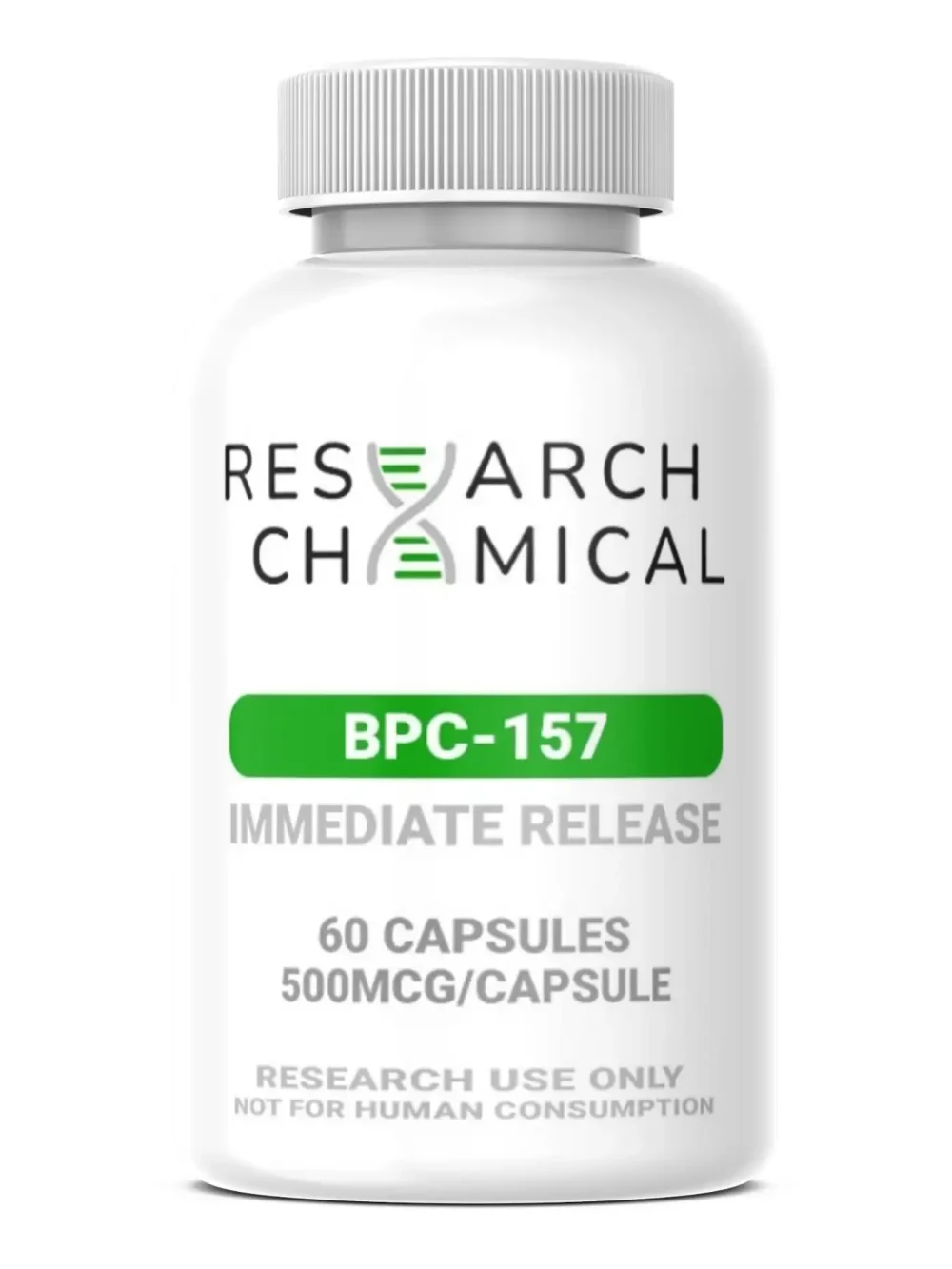
Please note that the above references provide evidence for the potential benefits of BPC 157 Peptide as stated in the product description. For more in-depth information, please refer to these scholarly works.
BPC 157 peptide has shown positive findings in testing and laboratory experimentation for its potential to promote wound healing, blood vessel growth, and tissue repair, including effects on the gastrointestinal tract and nervous system. All effects including those on the digestive tract and blood vessels are currently under study.
BPC 157 peptide is a synthetic compound composed of amino acids. It is a partial sequence of the parent molecule, Body Protection Compound (BPC).
BPC 157 peptide is considered well-tolerated, with no reported side effects in lab research and animal models. However, further clinical trials are needed to fully establish its safety profile for human consumption.
No, there is no evidence to suggest that BPC 157 suppresses testosterone. Instead, research indicates its positive effects on the wound healing process and tissue repair that is currently being studied by researchers and institutions.
Each batch is third-party tested. COAs confirm identity, purity, and concentration using validated analytical methods. We employ tamper-evident, UV-resistant packaging and clear labeling to support traceability.
No. As a research supplier, we do not provide any dosing, cycle, or clinical guidance. BPC-157 is not for human consumption.
The literature is predominantly preclinical (in vitro and animal studies) evaluating regenerative effects, angiogenesis (e.g., VEGF-related pathways), collagen synthesis, and GI mucosal protection. Clinical data remain limited; systematic reviews continue to highlight the need for robust, controlled human studies.
Yes. BPC-157 is listed among prohibited substances by the World Anti Doping Agency (WADA). Athletes who use peptide hormones risk testing positive under anti-doping controls.
No. BPC-157 is not FDA-approved and is not authorized for clinical use or as a dietary supplement. It is supplied strictly for research purposes.
Third-party testing: Each batch undergoes independent analysis; a COA verifies identity, purity, and concentration.
Clear specifications: Transparent labeling, batch numbers, and detailed product descriptions support reproducibility.
Controlled packaging: UV-resistant containers with tamper-evident seals help maintain stability in transit and storage.
Secure fulfillment: Discreet shipping and secure checkout help protect institutional and financial information.
Buy BPC-157 Peptide With Quality Guaranteed from Research Chemical
If you are searching for where to buy BPC 157 online, you will come across many options. Several companies offer peptides, but unfortunately, not all prioritize quality assurance.
Research Chemical stands out in this landscape. We’re committed to delivering only the finest BPC 157 for sale online. When your business decides to buy peptides from us, rest assured, you’re opting for top-tier quality.
Our peptides undergo rigorous testing, verified by esteemed American third-party laboratories—labs that welcome phone or email inquiries to confirm their certificate’s authenticity. Our peptides are preserved in lyophilized form inside glass containers and maintained in cool conditions to uphold their potency.
You can trust in our assortment of top-grade research chemicals, all backed by a reassuring 60-day money-back guarantee. Plus, enjoy free shipping for orders over $149, with expedited shipping options available. Subscribers to our newsletter enjoy a 10% discount, and choosing cryptocurrency for payment affords an additional 10% off.
Choose Research Chemical, and you’re not just selecting a seller; you’re opting for verified excellence, secured packaging, prompt deliveries, and exemplary customer service. For any queries about our BPC157 for sale or any other product, don’t hesitate to contact us. We’re here to assist promptly.
Lorem ipsum dolor sit amet, consectetur adipiscing elit. Ut elit tellus, luctus nec ullamcorper mattis, pulvinar dapibus leo.
BPC-157 (Body Protection Compound-157) is a stable gastric pentadecapeptide that has been widely investigated in in vitro systems and preclinical animal models—particularly in rats—for its effects on musculoskeletal soft tissue healing, angiogenesis, and gastrointestinal protection. Across these experimental settings, several key mechanisms have been described:
BPC-157 influences growth factors, most notably vascular endothelial growth factor (VEGF), which plays a central role in angiogenesis—the formation of new blood vessels. Through VEGF-related signaling and other angiogenic pathways, BPC-157 has been shown in rodent studies to enhance local blood flow and support vascular response at sites of injury. Improved perfusion is critical for delivering oxygen and nutrients to damaged tissues, facilitating the regenerative effects observed in experimental tendon and ligament healing models.
Multiple preclinical studies have demonstrated that BPC-157 increases collagen synthesis, contributing to tendon outgrowth and improved connective tissue integrity following injury. Enhanced collagen deposition is a key factor in structural repair during tendon healing, ligament healing, and recovery from musculoskeletal injuries.
In cell culture and in vivo models, BPC-157 has been reported to promote cell migration and cell survival in response to experimental injury. These cellular processes are essential for cell tissue repair, enabling more efficient wound closure and tissue regeneration in musculoskeletal and gastrointestinal models.
BPC-157 exhibits anti-inflammatory effects in preclinical studies, including reductions in local inflammatory cytokines and oxidative stress markers. These findings have been observed in rodent models of inflammatory bowel disease, gastric injury, and soft tissue trauma. By mitigating oxidative and inflammatory damage, BPC-157 may create a more favorable environment for tissue repair in experimental systems.
Because BPC-157 is derived from a naturally occurring protein in human gastric juice, several studies have focused on its role in the gastrointestinal tract. In rodent models, BPC-157 has demonstrated a promoting effect on epithelial repair, mucosal protection, and recovery from lesions, including esophagitis, short-bowel syndrome, and colitis. These effects have been linked to enhanced nitric oxide activity and modulation of vascular and cellular repair mechanisms.
Important: The findings above reflect preclinical mechanistic research conducted primarily in rodent models and cell culture systems. They do not establish safety or efficacy for clinical use in humans. BPC-157 is not approved by the U.S. Food and Drug Administration (FDA) for human use, and clinical data remain limited. Its use should remain strictly within controlled research environments in compliance with all applicable regulations.
| Compound | BPC-157 (Body Protection Compound-157) |
| Class | Research synthetic peptide (stable gastric pentadecapeptide) |
| CAS Number | 137525-51-0 |
| Sequence | Gly-Glu-Pro-Pro-Pro-Gly-Lys-Pro-Ala-Asp-Asp-Ala-Gly-Leu-Val |
| Molecular Formula | C62H98N16O22 |
| Relative Molecular Mass | ~1,419.5 g/mol |
| Format | Lyophilized powder in sterile glass vial (research grade) |
| Purity | ≥98% (third-party tested; Certificate of Analysis provided) |
| Intended Use | For laboratory research only; not for human or veterinary use |
Because BPC-157 is an unapproved research compound, the safety profile in humans is not established. Open-market products advertised as “research chemicals” may carry safety risks due to unregulated manufacturing, variable purity, and potential mislabeling. Reports in forums and case discussions have mentioned adverse symptoms (e.g., local injection-site reactions, mood changes), but controlled human evidence is insufficient to define incidence or causality. Systematic review efforts consistently note the current data are predominantly preclinical.
Anti-doping notice: Use by athletes may result in anti-doping violations; BPC-157 is prohibited by WADA.
By purchasing from ResearchChemical.com, you acknowledge and agree that you are acquiring Research Chemicals. These chemical substances are specifically designed for utilization in scientific and medical research endeavors.
It is important to note that these research chemicals are exclusively intended for laboratory use. They are not sold for consumer use.
Please be advised that the statements made on this website have not been evaluated by the U.S. Food and Drug Administration (FDA). Furthermore, the products offered by this company are not intended to diagnose, treat, cure, or prevent any disease.
The information provided on this website is solely for informational and educational purposes and should not be considered as medical advice or a substitute for professional medical guidance.
ResearchChemical.com, its manufacturers, sellers, and distributors hold no liability for any consequences arising from the misuse, improper handling, or usage of these chemicals. Please be aware that the sale and purchase of these chemicals may be subject to legal restrictions and regulations in some jurisdictions. It is the buyer’s responsibility to ensure compliance with all applicable laws and regulations.
1. Sikiric P, Seiwerth S, Grabarevic Z, et al. BPC 157’s effect on healing. Journal of Physiology and Pharmacology. 2009 Dec;60(Suppl 7): Suppl 2: 191-6. PMID: 20572349.
2. Chang CH, Tsai WC, Lin MS, et al. Effects of pentadecapeptide BPC 157 on tendon healing in a rat model. Journal of Orthopaedic Research. 2011 Aug;29(8): 1174-80. doi: 10.1002/jor.21367.
3. Klicek R, Sever M, Radic B, et al. Gastric pentadecapeptide BPC 157 accelerates healing of transected rat Achilles tendon and in vitro stimulates tendocytes growth. Journal of Orthopaedic Research. 2003;21(6):976-83. doi: 10.1016/S0736-0266(03)00081-1.
4. Mogoşanu, G. D., & Grumezescu, A. M. (2014). Natural and synthetic polymers for wounds and burns dressing. International journal of pharmaceutics, 463(2), 127-136.
5. Krivic A, Anic T, Seiwerth S, et al. Achilles Detachment in Rat and Stable Gastric Pentadecapeptide BPC 157: Promoted Tendon-to-Bone Healing and Opposed Corticosteroid Adverse Effects. Journal of Orthopaedic Research. 2006 Jun;24(6):982-93. doi: 10.1002/jor.20096.
6. Chang, C. H., Tsai, W. C., Lin, M. S., Hsu, Y. H., & Pang, J. H. S. (2011). The promoting effect of pentadecapeptide BPC 157 on tendon healing involves tendon outgrowth, cell survival, and cell migration. Journal of applied physiology, 110(3), 774-780.
7. Duzel, A., Vlainic, J., Antunovic, M., Malekinusic, D., Vrdoljak, B., Samara, M., … & Sikiric, P. (2017). Stable gastric pentadecapeptide BPC 157 in the treatment of colitis and ischemia and reperfusion in rats: New insights. World Journal of Gastroenterology, 23(48), 8465.
8. Sikiric P, et al. Stable gastric pentadecapeptide BPC 157 in the treatment of colitis and ischemia and reperfusion in rats: new insights. World Journal of Gastroenterology. 2017;23(48): 8465-8488. doi: 10.3748/wjg.v23.i48.8465.
9. Sikiric P, et al. Stable gastric pentadecapeptide BPC 157 in trials for inflammatory bowel disease (PL14736) (gep- bpc-157). Current Pharmaceutical Design. 2018;24(2): 190-195. doi: 10.2174/1381612823666170829095955.
10. Stupnisek M, et al. Pentadecapeptide BPC 157, in clinical trials as a therapy for inflammatory bowel disease (PL14736), is effective in the healing of colocutaneous fistulas in rats: role of the nitric oxide-system. Journal of Pharmacological Sciences. 2017;133(4): 201-208. doi: 10.1016/j.jphs.2017.07.009.
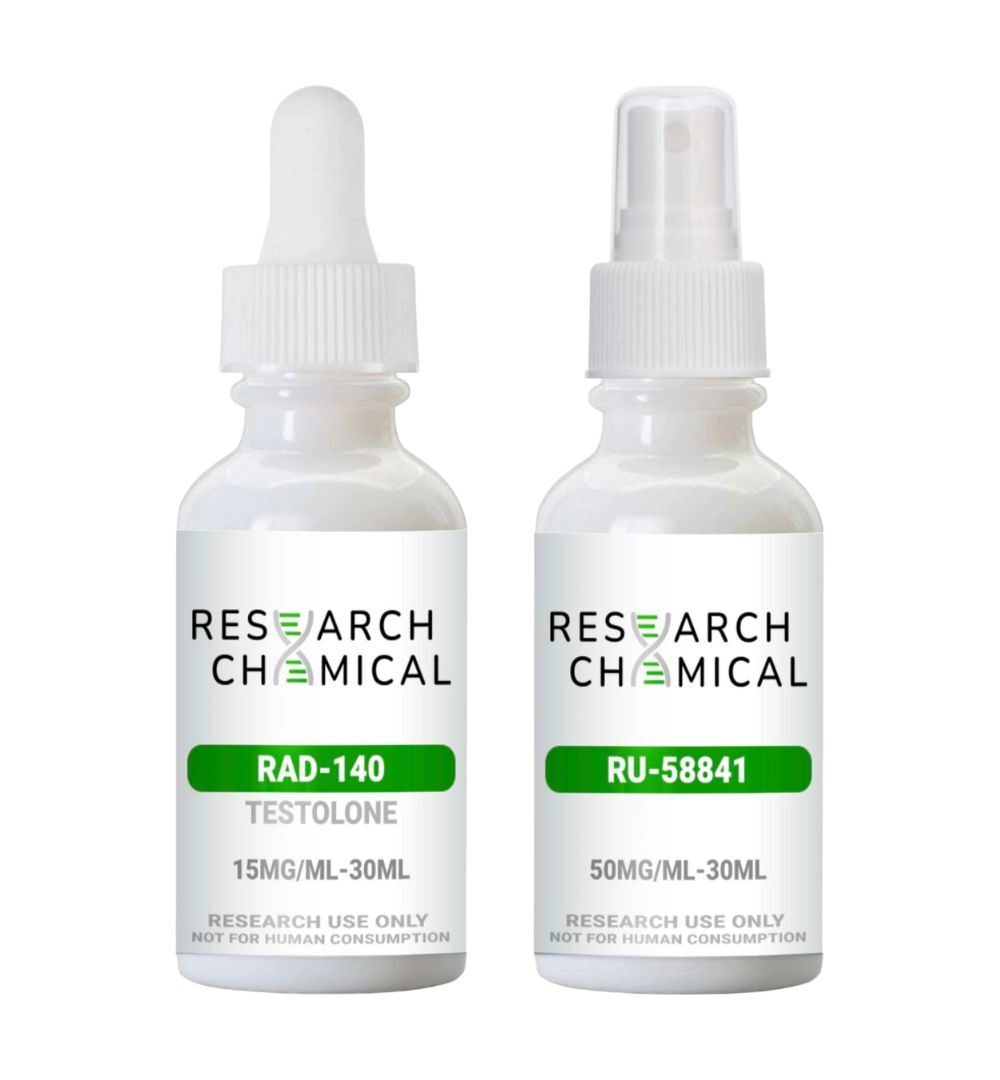
Please note that the above references provide evidence for the potential benefits of BPC 157 Peptide as stated in the product description. For more in-depth information, please refer to these scholarly works.
Join our insider list for the latest research insights, product releases, and special offers—delivered straight to your inbox.