Phone: 959-333-0983

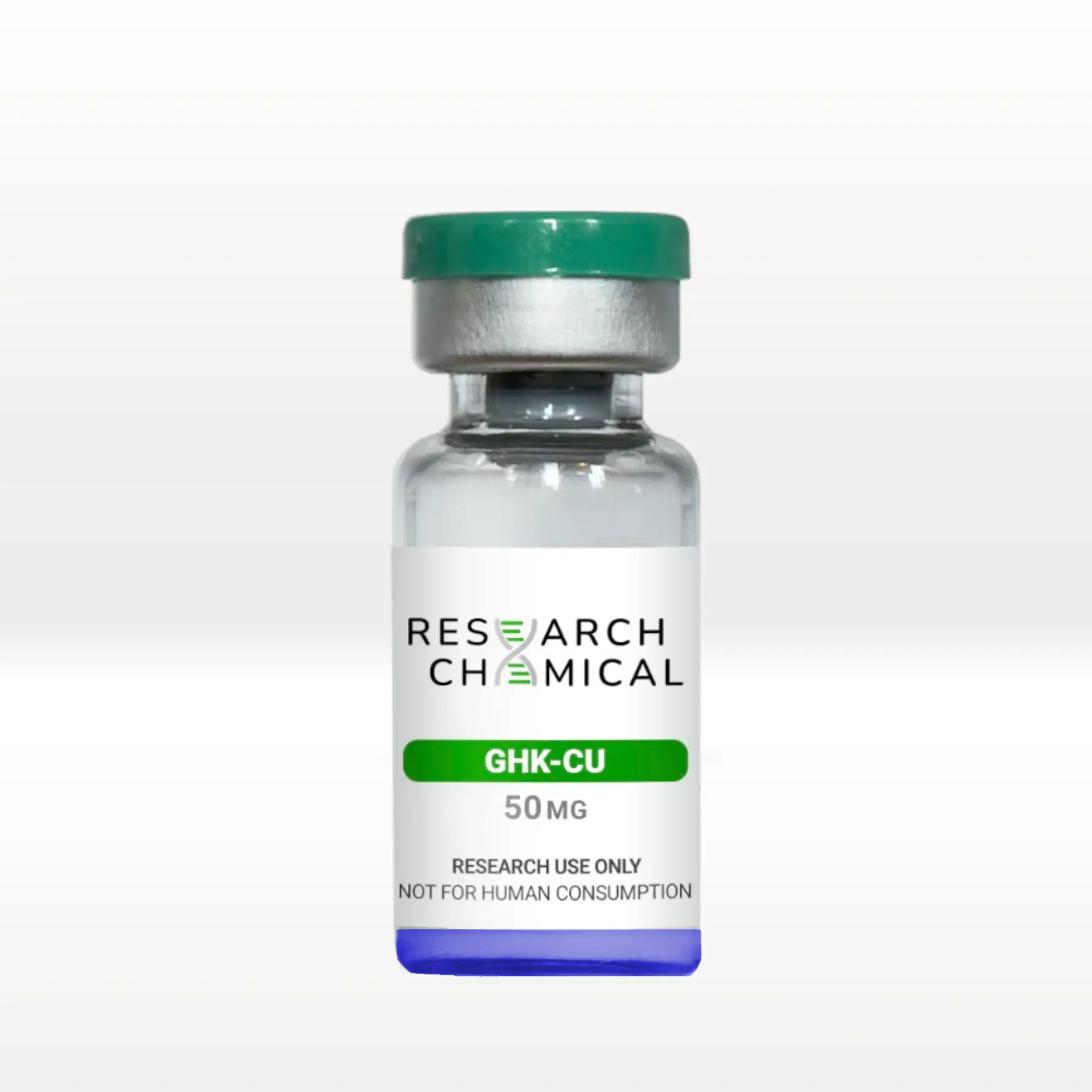
GHK-cu Copper Peptide 50mg

4.8
(15)
1K+ bought in past month
Big Winter Deal

$59.99

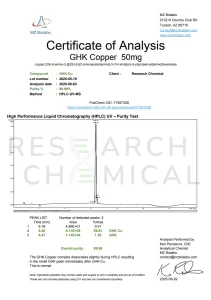
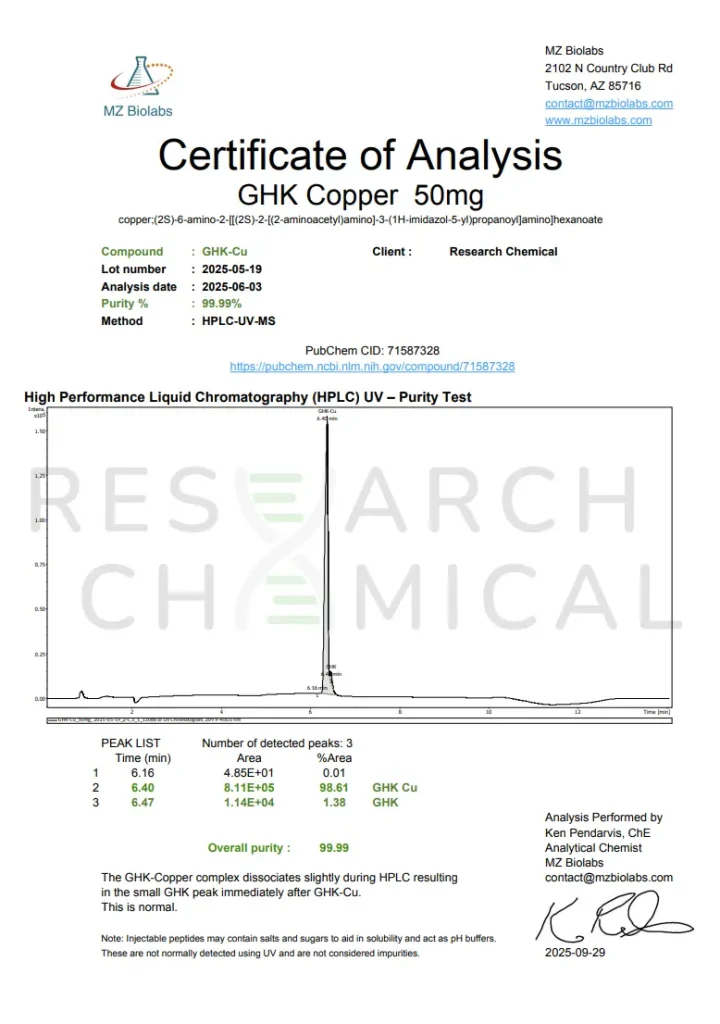
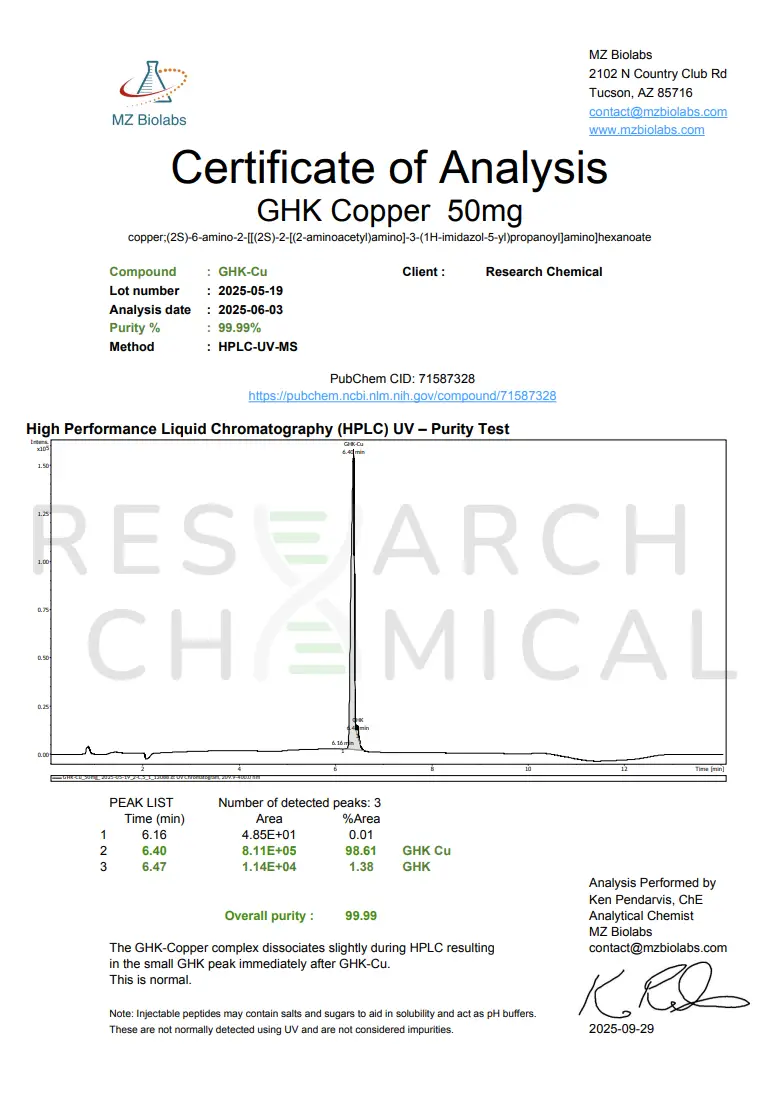
This item has been third-party tested by accredited U.S. laboratories and confirmed to meet a minimum purity of 98% through rigorous verification standards.

GHK-cu Scientific Research Context

GHK-Cu is examined in research settings as a copper-complexed tripeptide, formed by the binding of copper(II) ions to the peptide sequence glycyl-L-histidyl-L-lysine. Research involving GHK-Cu focuses on copper transport mechanisms, peptide-metal coordination chemistry, and intracellular signaling pathways under controlled experimental conditions.

This compound is supplied exclusively for scientific and analytical research and is not intended for cosmetic, consumer, or clinical use.

Buy now

$59.99

FREE Returns
In Stock
Quantity
Ships from
USA

GHK-Cu 50 mg — Research Use Only

Copper Tripeptide (Gly-His-Lys–Cu²⁺)

GHK-Cu is a naturally occurring copper-binding tripeptide supplied exclusively for laboratory and analytical research purposes. This compound is studied in controlled research environments for its role in metal-peptide interactions, cellular signaling modulation, and gene expression research models.

Each batch of GHK-Cu is independently third-party tested to verify identity and purity, supporting accuracy and reproducibility in scientific research applications.

Scientific Context: Why GHK-Cu Is Studied

GHK-Cu is studied in laboratory and preclinical research environments to better understand how copper-binding peptides influence cellular signaling and regulatory pathways. Researchers examine this compound to explore:

  • Peptide-mediated copper transport and bioavailability
  • Metal-dependent signaling mechanisms
  • Gene expression modulation in experimental systems
  • Structure–function relationships of copper-binding peptides

Because copper plays a critical role in numerous enzymatic and signaling processes, GHK-Cu serves as a model compound for studying peptide-metal interactions in biological systems.

Mechanism of Interaction

In experimental models, GHK-Cu functions through coordination of copper ions, allowing the peptide-metal complex to participate in intracellular signaling environments. Research focuses on how copper-bound peptides may influence transcriptional regulation, enzyme activity modulation, and cellular communication pathways.

These investigations are strictly mechanistic and exploratory, aimed at understanding peptide-metal dynamics rather than physiological or therapeutic outcomes.

Manufacturing & Verification Standards

GHK-Cu supplied by ResearchChemical.com is produced under controlled synthesis and chelation conditions to support compound integrity, purity, and reproducibility.

Manufacturing and verification standards include:

  • Controlled peptide synthesis and copper chelation
  • Batch-specific purity verification
  • Independent third-party analytical testing
  • Certificate of Analysis (COA) provided for each batch
  • Lyophilized sample in glass sterile vial
  • 50mg GHK-cu per vial
  • >99% purity for each sample

These measures ensure transparency and reliability for laboratory research use.

What Distinguishes GHK-Cu in Research

  • Naturally occurring copper-binding tripeptide
  • Studied in peptide-metal coordination research models
  • Useful for investigating copper-dependent signaling pathways
  • Stable complex suitable for controlled experimentation
  • Batch-verified purity and identity
GHK-Cu-for-sale

GHK-cu Peptide FAQs

GHK-Cu is a naturally occurring peptide found in urine, serum, and saliva. Copper peptides are unique as they each have one or more copper ions attached to them to enhance their properties. 

These peptides are being studied to promote skin healing and regeneration by stimulating collagen synthesis, enhancing skin health, and reducing rough skin appearance. Additionally, they have shown analgesic effects and potential benefits for nerve outgrowth and nervous system function in recent research.

GHK copper peptide is generally well-tolerated with minimal side effects reported. However, individuals with compromised immune systems or specific medical conditions should exercise caution and consult with a healthcare professional before signing up for laboratory research with copper peptides as these are research chemicals for research use only.

Yes, GHK copper peptide has been shown to increase hair growth in clinical studies by promoting hair follicle health and stimulating hair growth pathways.

The reported benefits of GHK copper peptide in recent research include skin healing and regeneration, increased hair growth, and potential anti-aging properties due to its role in stimulating collagen synthesis, extracellular matrix components, and reducing inflammatory molecules.

Unlock Exclusive Lab Updates

Ostarine Cardarine SR9009 Stack

Join our insider list for the latest research insights, product releases, and special offers—delivered straight to your inbox.

0